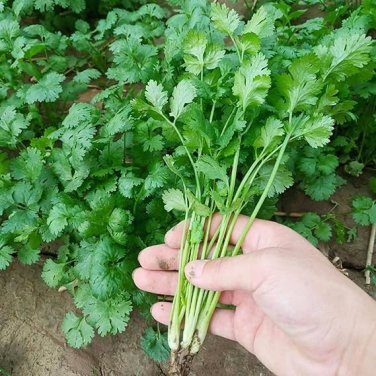
Cilantro/Coriander Seeds, NON-GMO 300 seeds
Check out this super productive, bolt-resistant member of the Dill family that packs a punch in flavor! This herb is super popular and finds its way into all sorts of cuisines around the globe. These seeds thrive in desert conditions, making them perfect for hot climates.
The coriander plant, which we know as cilantro when referring to its leaves, hails from the Mediterranean and Middle Eastern regions; it's thought to be one of the first spices ever used by humans. Back in the day, early doctors like Hippocrates used coriander mainly as a fragrant stimulant or to mask the taste of yucky medicines. Almost every part of this herb is good for cooking; in Thai dishes, the roots add flavor to spicy sauces, while the cilantro leaves are used to season and garnish meals in Chinese, Vietnamese, and Mexican cuisines. The coriander seeds find their way into candies, specialty breads, sauces, desserts, and even perfumes. In Tudor England, sugar-coated coriander seeds were called "comfits" and became quite the popular snack.
Coriander grows best in rich, well-drained soil and loves full sun, but it can handle a bit of shade too. If you're in a warm area, the ideal time to plant coriander is anytime from September to February since it prefers cooler weather. You can also sow it early in spring or after the summer heat for a fall harvest. Since coriander doesn't like being transplanted, it's best to sow the seeds directly about 1/2" deep in rows spaced 18-20" apart; once the seedlings have leaves, thin them out to 12" apart. Germination typically takes about 2-3 weeks. To keep the harvest going, plant a new batch every 2-3 weeks. Just a heads up, coriander doesn't thrive in containers due to its large taproot.
Make sure to keep the plants well-watered and manage the weeds. Coriander can withstand hard frosts, but if temperatures rise above 75 degrees F for several days, it will flower right away and the leaves will turn very bitter. Adding a layer of mulch can help keep the roots cool and postpone bolting.
You can harvest the leaves, known as cilantro, whenever you need them; just avoid the secondary, feather-like leaves as they taste bitter. The seeds can be collected once they turn a straw color; just cut off the seed heads, let them dry completely, and then thresh them to get the seeds. Store them in an airtight container. You can also use the seeds while they're still green for a different texture and flavor.
Medicinal Benefits:
Cilantro, which is also called coriander, has a bunch of medicinal perks, like possibly lowering blood sugar, supporting heart health, and having anti-inflammatory effects. It might even help with anxiety and protect against foodborne illnesses thanks to its antimicrobial properties. Check out thegoodinside.com and WebMD for more info.
Health Benefits of Cilantro
Cilantro, or coriander, comes with several health benefits that research backs up. Here are the main ones:
Cognitive Health
Neuroprotective Effects: Cilantro could help ease symptoms of cognitive disorders such as Alzheimer’s and Parkinson’s. Studies indicate it might boost memory and lessen nerve-cell damage.
Blood Sugar Management
Diabetes Support: Research shows cilantro can help lower blood sugar levels. It may improve insulin sensitivity and assist in managing diabetes, making it a good choice for those with high blood sugar.
Anxiety Reduction
Anxiolytic Properties: Studies suggest cilantro can help reduce anxiety symptoms, possibly working like medications such as diazepam. However, more human studies are needed to verify these effects.
Antimicrobial Properties
Food Safety: Cilantro has compounds that fight foodborne pathogens like Salmonella and E. coli, making it helpful in preventing food poisoning.
Anti-inflammatory Effects
Reducing Inflammation: Rich in antioxidants, cilantro can help decrease inflammation in the body, which may promote overall health and lower the risk of chronic diseases.
Heavy Metal Detoxification
Chelation: Cilantro might help remove heavy metals like lead and mercury from the body, potentially enhancing health by reducing toxic buildup.
Nutritional Benefits
Vitamins and Antioxidants: Cilantro provides vitamins A, C, and K, along with other antioxidants that support immune function and overall well-being.
Adding cilantro to your meals can offer these health benefits, but remember to enjoy it in moderation, especially if you have low blood pressure.
Common Names: Cilantro, Coriander, Chinese Parsley
Latin Name: Coriandrum sativum
Type: Open Pollinated, Heirloom, Cool Season|Warm Season
Life Cycle: Annual
USDA Zones: 3-12
Seeds per Ounce: 5,000
Planting Method: Direct Sow
Sunlight: Full Sun, Part Sun
Height: 20 Inches
Color: Green
Bloom Season: Blooms Late Summer, Blooms Early Fall
Uses: Aromatic
Seed priming is a pre-sowing treatment that enhances germination by soaking seeds in water or a solution, allowing them to begin the germination process before drying them out. For cilantro, this can improve seedling vigor and uniformity, leading to better growth once planted. Wikipedia
Seed Priming for Cilantro
Seed priming is a method employed to improve the speed and consistency of germination. This technique entails soaking seeds in a solution prior to planting. It can be especially advantageous for cilantro, as its seeds may exhibit uneven germination.
Benefits of Seed Priming
Enhanced Germination Rate: Priming can result in a greater percentage of seeds successfully germinating.
Accelerated Germination: Seeds generally sprout more rapidly following priming.
Consistent Growth: Minimizes variability in seedling emergence.
Methods of Seed Priming
Various solutions and soaking durations can be utilized for priming cilantro seeds:
Priming Solution Concentration/Condition Soaking Time Options
Potassium Nitrate (KNO3) 0.2% 0, 5, 48, 144 hours
Sodium Chloride (NaCl) -1 MPa 0, 5, 48, 144 hours
Gibberellic Acid 200 mg/L 0, 5, 48, 144 hours
Deionized Water - 0, 5, 48, 144 hours
Control (No Priming) - -
Recommended Practices
Temperature: Perform priming at approximately 20 °C.
Dark Conditions: Maintain seeds in darkness during the soaking phase.
Post-Priming: After soaking, seeds should be dried before planting to avoid premature germination.
Employing these techniques can greatly improve the germination process for cilantro seeds, resulting in healthier and more uniform plants.