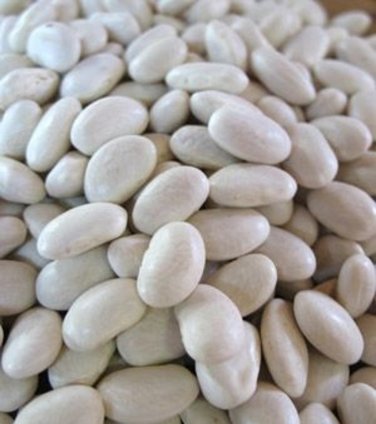
Great Northern Bean Seeds, Treated. These beans will have a blue coating.Maxim and Apron are both seed treatment products designed to protect seeds from diseases and improve crop establishment. Maxim provides early-season disease protection, while Apron focuses on controlling seed and soil-borne fungi, ensuring healthy seedling development. These seeds are sold by weight. Seed counts are approx. Weight will be accurate.
Treated Great Northern Bean seeds are typically coated with a protective substance to enhance germination and protect against diseases. These seeds are suitable for planting in various climates, particularly in cooler regions, and are known for their high yield and quality.
Treated Great Northern bean seeds are specifically formulated to improve germination rates and provide protection against diseases. These seeds are perfect for gardeners seeking dependable growth and substantial yields.
Characteristics of Great Northern Beans
Plant Features
Type: Heirloom dry bean variety
Height: Semi-vining plants attain a height of 16-24 inches
Pods: Produces flat 5-inch pods that contain 5-6 large white beans
Flavor: Offers a delicate, nutty flavor, making it ideal for soups and casseroles
Growth Requirements
Soil: Prefers rich, fertile, and well-drained soil
pH Level: The optimal pH range is between 5.8 and 6.6
Sunlight: Requires full sun for optimal growth
Watering: Must maintain consistent moisture, particularly during flowering and pod development
Planting Instructions
Seed Spacing and Depth
Type Seed Spacing (inches) Row Spacing (inches) Depth (inches)
Bush Beans 2-4 24-26 1-1.5
Pole Beans 6-8 36-48 1-1.5
Germination and Care
Temperature: Seeds germinate most effectively at soil temperatures ranging from 60°F to 80°F
Germination Time: Generally takes 7-14 days
Frost Sensitivity: Vulnerable to frost; should be planted after the last frost date
Treated Great Northern bean seeds represent a reliable option for both home gardens and commercial growers, particularly in cooler climates.
Great Northern beans are rich in protein, fiber, and essential nutrients like folate and iron, which can support heart health, aid digestion, and help manage blood sugar levels. They are also low in fat and can be a beneficial addition to a balanced diet.
Nutritional Profile of Great Northern Beans
Great Northern beans are a healthy legume that comes with a bunch of health perks. They’re packed with:
Protein: Roughly 17 grams per cooked cup, making them an awesome plant-based protein option.
Fiber: About 11 grams per cooked cup, which helps with digestion and keeps you feeling full.
Vitamins and Minerals: Loaded with folate, magnesium, iron, potassium, and copper, all of which are great for your overall health.
Health Benefits
Heart Health
Cholesterol Management: The soluble fiber in Great Northern beans helps to lower bad cholesterol, which can cut down the risk of heart disease.
Blood Pressure Regulation: The potassium in them helps keep blood pressure in check.
Digestive Health
Fiber Content: Aids in regular bowel movements and supports gut health.
Satiety: Helps you feel full, which can be helpful for managing weight.
Blood Sugar Control
Low Glycemic Index: Great Northern beans have a low glycemic index, which helps keep blood sugar levels steady, making them a good choice for those with diabetes.
Nutrient Density
Rich in Antioxidants: They contain polyphenols that might help reduce inflammation and oxidative stress in the body.
Culinary Uses
Great Northern beans can be added to all sorts of dishes, like soups, stews, and salads. You can cook them from dried or use canned ones for convenience. Their mild taste makes them a great match for a variety of ingredients.
Adding Great Northern beans to your meals can boost your nutrition and offer a ton of health benefits.