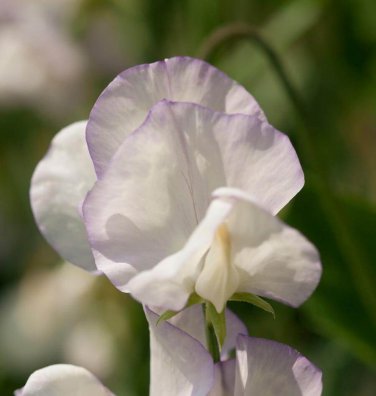
High Scent Sweet Pea Seeds Lathyrus odoratus
This sweet pea variety is the most aromatic of all! The soft cream-colored flowers have a light purple edge. They attract bees and butterflies like crazy. High Scent Sweet Pea is sure to impress, whether it's in a cottage garden, a patio planter, or arranged as a bouquet.
According to old tales, poet John Keats was the first to name these fragrant flowers "sweet peas." They've also been dubbed the queen of annuals and are the classic old-fashioned English flower. While stories about this flower's beginnings vary, most historians agree that a Franciscan monk named Francisco Cupani discovered it while visiting Sicily. In 1699, he sent seeds of the plant to a botanist in Amsterdam, Dr. Casper Commelin, who published the first known description and illustration of sweet peas in 1701. Dr. Leonard Plukenet, the Royal Professor of Botany and gardener for Queen Mary, also noted acquiring a specimen of sweet pea in the early 18th century.
Overview of High Scent Sweet Pea Seeds
High Scent Sweet Pea (Lathyrus odoratus) is a well-loved flowering plant celebrated for its lovely scent and stunning flowers. This variety showcases creamy white petals edged in purple, making it a top choice for gardens and floral arrangements.
Planting Information
Germination and Growth
Seed Preparation: Soak seeds in lukewarm water for 1-3 hours before planting.
Planting Depth: Sow seeds ½ inch deep in well-prepared soil.
Spacing: Space plants 12 inches apart to allow for growth.
Germination Time: Seeds typically germinate in 7-10 days.
Ideal Conditions
Sunlight: Prefers full sun.
Temperature: Thrives in cool weather; ideal for spring blooms.
Hardiness Zones: Winter hardy in zones 7 and south; in warmer zones (9-10), plant in the fall to overwinter.
Care and Maintenance
Watering and Fertilization
Watering: Keep soil consistently moist but not waterlogged.
Fertilization: Use a balanced fertilizer to promote healthy growth.
Harvesting Tips
Cutting Flowers: Harvest blooms when they are half to fully open for the best longevity.
Encouraging Blooms: Regularly cut flowers to encourage more blooms.
Additional Notes
Trellising: Sweet peas are climbing plants and benefit from support structures.
Toxicity Warning: All parts of the plant are poisonous; handle with care around children and pets.
High Scent Sweet Peas are not only beautiful but also attract pollinators, making them a great addition to any garden.