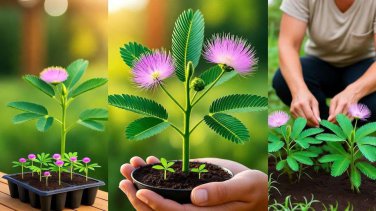
Sensative Plant Mimosa Pudica 200 Seeds Free Shipping!
Once established, this tough perennial creates thick clusters of lovely, white-petaled flowers. This easy-to-cultivate daisy resembles the Ox Eye Daisy, but it's less invasive.
The well-known American botanist and horticulturalist Luther Burbank introduced this beloved flower in 1901, after over 15 years of careful selection and breeding. He named this gorgeous little bloom after California's Mt. Shasta, a snow-covered mountain. The poet Chaucer was the first to refer to this flower family as "day's eye," due to their tendency to open in the morning and close at night. A popular saying from that time went, "When you can put your foot on seven daisies, summer has arrived." In the language of flowers, daisies represent innocence, simplicity, and modesty.
Latin Name: Chrysanthemum maximum
Species Origin: Europe
Type: Garden Flowers
Life Cycle: Perennial
USDA Zones: 2, 3, 4, 5, 6, 7, 8, 9, 10, 11, 12
US Regions: California, Mountain, Arid/Desert, Plains/Texas, Midwest, Northern, Northeast, Southeast
Seeds per Ounce: 25,000
Stratification: No Stratification
Germination Ease: No Stratification
Sunlight: Full Sun, Part Sun
Height: 30 Inches
Color: White
Bloom Season: Blooms Early Summer, Blooms Late Summer
Uses: Cut Flowers, Deer Resistant
Sowing: In the spring, after the last frost, directly sow Chrysanthemum Maximum seeds on the soil surface. Lightly press the soil down and keep it moderately moist until germination, which should happen in about 10-14 days. If you want to start them indoors, sow on the surface of a flat 6-8 weeks before the last spring frost. Maintain lightly moist soil at a temperature of 70°F until they germinate. Once the seedlings are a few inches tall, transplant or thin them out.
Growing: Make sure to water the seedlings regularly until they’re established; mature plants enjoy occasional watering too, but be careful not to overwater as it can lead to disease and root rot. To promote bushy growth, pinch off the tips. If grown from seed, Shasta daisies might not bloom fully until their second year. Taller plants may require support or staking. Keep an eye out for aphids, slugs, and earwigs, as they can cause harm. This plant can self-seed and spread slowly through rhizomes; mature plants can also be divided in the fall or early spring. After the first frost, cut the plants down to 2 inches above the ground. These plants attract butterflies and are resistant to deer.
Harvesting: Daisies are great as long-lasting fresh flowers; cut the stems long and put them in water right away.
Seed Saving: Towards the end of the season, let the blossoms fully mature; when the centers turn brown, cut them off and lay them out to dry away from direct sunlight. After about two weeks, or when the heads are completely dry, gently rub them to separate the seeds from the husks. Store Alaska Shasta daisy seeds in a cool, dry location.