Hopseed Bush Green Dodonaea Vicosa 10 Seeds FAST Growing Shrub!
Dodonaea viscosa, commonly known as the Green Hopseed Bush, is a broadleaf evergreen shrub that can grow up to 10 feet tall. It features narrow, leathery leaves and is tolerant of various soil types, This shrub thrives in USDA Zones 8-11, making it ideal for warmer climates.
Dodonaea viscosa is a shrub or sometimes a small tree
ranging from 6 to 25 feet tall. Its leaves are long and slender,
with edges that are typically wavy or crinkled.
The plants usually flower in the early part of the year and produce seeds
before summer. The flowers are quite small, and the female flowers turn into papery capsules that can be
red, pink, green, yellow, or tan. The seeds are roundish, black,
and very tiny, measuring about 1/16 inch wide. There are roughly
84,200 seeds in a pound. D. viscosa thrives in a variety of habitats,
from sea level to nearly 8,000 feet, and can handle annual rainfall of 12 to 98 inches. You can find D. viscosa
throughout the tropical regions of the world,
including Arizona, California, Florida, Hawaii, and Puerto
Rico.
Establishment
It's suggested to propagate D. viscosa in a shade house with 50 percent shade, after the last frost. To help with germination,
you can soak the seeds overnight in hot tap water or scarify them. Plant the seeds ¼ inch deep in a
sterile medium and water them daily. Using dibble tubes is a good idea.
Germination should happen within 10 days.
You can apply fertilizer to the seedlings four weeks after they germinate. After four months,
expose the seedlings to direct sunlight and let them adjust to the
new environment. They should be ready for planting in the field after one month of direct sunlight exposure. Some beneficial traits of D.
viscosa, if you're considering it for conservation purposes, are that it adapts well to any type of soil and can withstand ocean winds
and dry desert heat. Water regularly to help establish the
plant, but once it's established, it needs very little water.
Alternate Names
Aalii, lampuaye, togovao, hopseed bush, and varnish-leaf.
Uses
Conservation: Thanks to its fibrous, spreading root system, quick growth, and wide canopy, D. viscosa is a great soil stabilizer, especially for tackling gully and coastal dune erosion. It's drought-resistant and can handle wildfires pretty well. These shrubs are somewhat tolerant of shade, making them a good fit for riparian and restoration projects. Plus, they're really sturdy against the wind, which makes them perfect for in-field windbreaks.
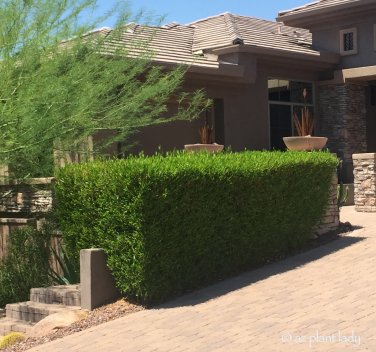
Landscape: D. viscosa is a visually appealing plant. With its lush green leaves and striking deep red capsules, it definitely catches the eye. You can use D. viscosa as a hedge, a standout specimen plant, or even a small tree for your patio. It's perfect for xeriscape gardens.
Cultural: In Hawaii, the bright capsules were woven into leis and used as dye. The wood was utilized for house beams and crafting weapons. For medicinal purposes, the leaves were crushed and applied to soothe rashes.