Lithops Olivacea 8 Seeds Free Shipping!
Lithops olivacea seeds are tiny seeds from a unique succulent plant known as "living stones," which are native to South Africa. They require specific conditions for germination, including well-draining soil and warm temperatures, and typically take 2-3 weeks to sprout.
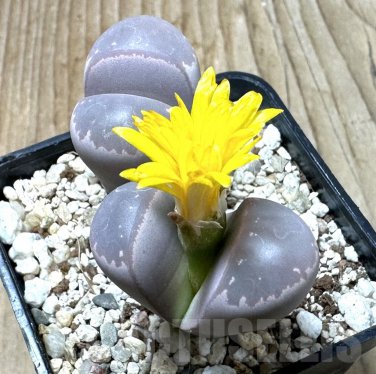
The Lithops olivacea v. olivacea is a fascinating succulent that hails from South Africa. It's often referred to as Living Stones due to its unique look that resembles small pebbles. This Olivaceous Lithops fits right into rocky environments, showcasing gray-green shades that allow it to blend in seamlessly. Its compact shape and smooth texture make it a great pick for succulent lovers who value subtle, natural beauty.
The Lithops olivacea stays low to the ground, typically not growing more than a few centimeters tall. Its paired leaves are thick and fleshy, designed to store water for surviving in dry conditions. This Pebble Plant also features unique patterns on its leaves, which can vary from soft olive tones to deeper shades. The C109 variety is especially sought after for its dense leaf pairs and beautiful color variations that attract both collectors and gardeners.
Compact growth habit fits perfectly in rock gardens
Leaves show off striking, pebble-like textures and colors
Well-suited to tough, dry South African climates
Blooms with daisy-like white flowers during the flowering season
Forms dense clusters that enhance its visual appeal
In summary, the Lithops olivacea v. olivacea brings charm with its understated elegance and intriguing shape. Its natural camouflage, unique leaf pairs, and survival traits make it a standout among South African succulents. Whether in collections or outdoor settings, this distinctive succulent captures attention without taking up much space.
Soil type: A mix that drains well and is gritty, perfect for succulents.
Watering frequency: Water just a little while it's growing; let it stay dry in the winter.
Light exposure: Needs bright, indirect sunlight; shield it from harsh midday rays.
Temperature requirements: Prefers warm temps (20-30°C); sensitive to frost.
Fertilization: Keep it minimal; use a diluted cactus fertilizer in early spring.
Pruning: No pruning needed.
Common pests: Keep an eye out for mealybugs and root rot due to overwatering.