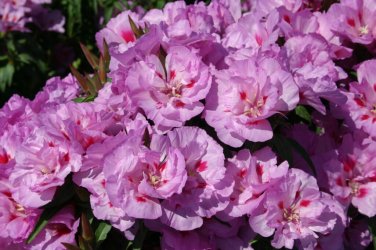
Lilac Godetia, Clarkia bottae. 1000 Seeds Free Shipping!
Lilac Godetia, originating from southern California, these lovely flowers showcase lavender blooms. This wildflower is cultivated as an annual in northern regions and is perfect for flower beds, borders, containers, rock gardens, and native plantings.
This plant's genus name, "Clarkia," was assigned to honor Captain William Clark from the famous Lewis & Clark Expedition in 1806. Another traditional name for this flower, Godetia, pays tribute to a Swiss botanist named Charles H. Godet (1797-1879). In its natural habitat, Lilac Godetia thrives in coastal regions and on the slopes of the Peninsular and Transverse Ranges in Southern California.
Common Names: Farewell-to-spring, Hill Clarkia, Botta's Clarkia, Botta's Fairyfan, Punchbowl Godetia
Latin Name: Clarkia bottae
Species Origin: US Native Wildflower
Type: Native Wildflowers
Life Cycle: Annual
Sowing: Start by directly sowing on the soil's surface in early spring, once the last frost has passed. Keep the soil moist until germination, which should happen in about 7-10 days. This plant doesn't handle transplanting well; however, you can thin out the seedlings, as they can manage being a bit crowded.
Growing: This plant thrives in well-drained soil and can adapt to coastal conditions, sand, and clay. Make sure to keep the seedlings weed-free; water them regularly until they start blooming, which is roughly 90 days after planting. Once they begin to bloom, they can handle some drought, but they don't like excessive heat. Pinch off the tips to promote branching and a bushier appearance. Remember to deadhead the spent flowers. As the plants grow taller, they might need some staking or support. This plant often self-seeds and is a great addition to flower beds, borders, containers, rock gardens, and native wildflower areas. Plus, it attracts bees and butterflies.
Harvesting: If you want fresh flowers, cut the stems long and put them in water right away.
Seed Saving: After the flowering period, this plant will create long, narrow pods that turn dark brown when mature; the seeds inside will be light brown. Gather the ripe pods and lay them out away from direct sunlight to dry thoroughly. Once dried, split the pods open to extract the seeds. Store the seeds in a cool, dry location.
USDA Zones: 3, 4, 5, 6, 7, 8, 9, 10, 11, 12
US Regions: California, Mountain, Arid/Desert, Plains/Texas, Midwest, Northern, Northeast, Southeast
Stratification: No Stratification
Germination Ease: No Stratification
Sunlight: Full Sun, Part Sun
Height: 12 Inches
Color: Lilac
Bloom Season: Blooms Late Spring, Blooms Early Summer
Uses: Cut Flowers