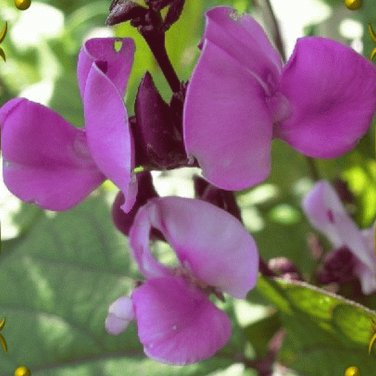
Purple Moonshadow 10 Seeds. Free Shipping!
Postage includes additional .49 cent Non Machinable Surcharge
The main distinction is that Purple Moonshadow Seeds are a specific type of hyacinth bean, whereas Ruby Moon hyacinth bean vine is a unique and well-loved cultivar recognized for its robust growth and decorative appeal. They belong to the same species but can vary in traits like flower color and growth patterns.
This annual climbing vine reaches for the sky, showcasing fragrant clusters of enchanting purple flowers. It climbs similarly to a Morning Glory, making it perfect for trellises or fences. It's super easy to grow and doesn't need much care apart from watering.
This beautiful vine has been a part of the estate gardens at both Mount Vernon and Monticello for generations, cherished as a historical gem brought over from Asia. Back in the days before air conditioning, vines like this were often planted on the sunny sides of country homes to help soak up some heat. Nowadays, many tropical countries cultivate this legume as a food source, as the whole plant is edible when prepared correctly. Plus, its ability to fix nitrogen makes it a great cover crop for improving soil health.
Sowing: The day before you plant, soak the seeds in water heated to 180 degrees F overnight. When you're ready to plant, put them in the ground about 1" deep. If you want to start the treated seeds indoors, do it around 6 weeks before the last spring frost; plant two seeds in each peat pot, and keep the soil moist and at 70 degrees F until they germinate. After the last frost, you can transplant the seedlings.
Growing: Make sure to water the seedlings regularly until they’re established; while mature plants can handle some drought, they thrive with consistent watering. This plant loves heat and humidity but can't handle full shade or frost. It grows vigorous vines quickly, so it needs support like a trellis or fence. Plus, it attracts hummingbirds and bees.
Harvesting: These flowers are great for cut arrangements; pick the ones that have just opened, cut the stems long, and put them in water right away. The whole plant is edible, but be careful with the seeds as they are toxic and need to be boiled thoroughly to be safe to eat.
Seed Saving: After the flowers bloom, the plant will produce bright purple pods that are about 3" long. The mature seeds are round and black with a white mark on one side. Take the seeds out of the pods and keep them in a cool, dry spot.
Common Names: Hyacinth Bean, Lablab Bean, Bonavista Bean, Egyptian Bean
Latin Name: Dolichos lablab
Species Origin: Asia
Type: Garden Flowers
Life Cycle: Annual
USDA Zones: 1, 2, 3, 4, 5, 6, 7, 8, 9, 10, 11, 12
US Regions: California, Mountain, Arid/Desert, Plains/Texas, Midwest, Northern, Northeast, Southeast
Stratification: No Stratification
Germination Ease: No Stratification
Sunlight: Part Sun
Height: 30 Inches
Color: Pink, Purple
Bloom Season: Blooms Early Summer, Blooms Late Summer, Blooms Early Fall
Uses: Cut Flowers