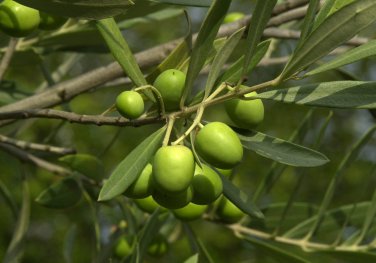
Olea Europaea aka Olive Tree 10 seeds Fresh Delicious lives off the tree
Due to size these seeds must ship USPS ground (price included in cost)
Olea europaea, widely recognized as the olive tree, is a resilient evergreen species indigenous to the Mediterranean area, distinguished by its twisted trunk and silvery-green foliage. This tree yields edible fruits that are primarily utilized for producing olive oil and is esteemed for its ability to withstand drought as well as its decorative features.
Physical Attributes
Height: Ranges from 20 to 30 feet
Width: Spans 15 to 25 feet
Leaves: Grayish-green on the top, silver beneath, elliptical to lanceolate, reaching up to 3 inches in length
Flowers: Small, white, aromatic blooms that appear in summer, grouped in 2-inch-long clusters
Fruit: Green drupes that mature to a purplish-black hue, approximately 1.5 inches long
Growth Conditions
Climate: Flourishes in hot, arid summers and mild, wet winters
Soil: Prefers well-drained, nutrient-rich soils; drought-resistant once established
Hardiness Zones: Thrives best in USDA Zones 8 to 10; certain varieties can endure short periods of freezing temperatures
Uses and Cultivation
Edible and Ornamental Uses
Culinary: Olives are utilized for producing olive oil and served as table olives. About 80% of the harvested olives are converted into oil.
Ornamental: The olive tree is favored in Mediterranean-style gardens, coastal settings, and as a potted plant.
Care and Maintenance
Watering: Consistent watering during the initial 1-2 years; deep but infrequent watering once established
Fertilization: Light feeding in spring, particularly for fruit-bearing trees
Pruning: Suggested in late winter or early spring to maintain form and promote fruiting
Conclusion
The olive tree is a long-lasting species that not only beautifies gardens but also yields valuable fruits. Its durability and minimal upkeep make it a favored option for gardeners in appropriate climates.
Seed Preparation
Soaking: Immerse the olive seeds in water for 24 to 48 hours. This step softens the seeds and kickstarts the germination process.
Drying: Once soaked, let the seeds air dry at room temperature for several days to eliminate excess moisture.
Planting Steps
Soil Requirements: Opt for a well-draining soil mix. Ensure the soil is weed-free and has excellent drainage to avoid waterlogging.
Planting Depth: Sow the soaked seeds at a depth of 1 to 2 inches in the soil.
Location: Position the planted seeds in a warm, sunny area. Olive trees flourish in temperatures ranging from 10°C to 25°C (50°F to 77°F).
Post-Planting Care
Moisture: Maintain consistent moisture in the soil, but avoid sogginess. Excess water can cause seed rot.
Germination Time: Anticipate germination to occur within 30 to 90 days under ideal conditions.
Additional Advice
Light: Make sure the seeds get ample sunlight, as this is vital for robust growth.
Temperature: Keep the environment warm, ideally around 20°C (68°F), for optimal results.
By adhering to these guidelines, you can effectively plant and cultivate olive trees from seeds.